Menu
Views: 0 Author: Site Editor Publish Time: 2026-11-11 Origin: Site


The "last mile" of hot food delivery represents the highest risk point for restaurant and catering operations. Temperature loss and structural collapse directly damage brand reputation. Using inadequate packaging leads to crushed meals, leaked sauces, and lukewarm food. This results in high refund rates, negative reviews, and lost customer lifetime value. The risk amplifies during high-volume periods and late-night delivery batching. Selecting the optimal Foil Takeaway Container requires moving beyond basic unit evaluation. You must evaluate structural gauge, thermal retention properties, lid compatibility, and operational workflow integration. This applies to both immediate hot delivery and pre-made meal prep. We will break down the exact specifications needed to protect your food quality from the kitchen pass to the customer's table.
Gauge dictates performance: Container thickness (measured in microns) and rim strength must align with the density and weight of the menu items to prevent buckling during transit. Specifications matter significantly more than brand names.
Lid selection defines leak resistance: The choice between poly-board, PET plastic, and foil lids determines whether a container can safely transport liquid-heavy dishes like curries or soups.
Versatility across delivery models: While highly effective for immediate hot delivery, foil containers are equally critical for pre-made meal prep, offering seamless freezer-to-oven capabilities.
Operational trade-offs exist: Foil containers require specific back-of-house sealing protocols and strict avoidance of microwave use, necessitating clear consumer communication.
Hot food must remain above safe holding temperatures during transit. A standard delivery window lasts 30 to 45 minutes. During this time, packaging must actively resist heat dissipation. Aluminum inherently reflects radiant heat back toward the food source. This metallic property makes it superior to porous materials like paperboard or expanded polystyrene. You must establish a framework for calculating acceptable heat loss. Test your packaging under realistic conditions to ensure it meets your operational standards.
Cook the test meal to your standard internal serving temperature.
Portion the meal into the test container and seal it immediately at the expo station.
Place the sealed unit inside your standard insulated delivery bag.
Record the internal temperature using a probe thermometer every 10 minutes for a full hour.
Evaluate the food texture and moisture level at the end of the test to ensure quality remains high.
Stress-test this setup for extended late-night delivery routes. Drivers often batch multiple orders during these shifts. The packaging must sustain safe temperatures for up to an hour in these extended scenarios. If the food drops below 140°F (60°C), the packaging fails the thermal retention test.
Delivery vehicles subject food packaging to constant kinetic stress. Sudden stops, sharp turns, and vibrations test the limits of your containers. Third-party delivery drivers handle bags with varying degrees of care. Your packaging must withstand this unpredictable handling. Vertical pressure presents the greatest structural challenge. Couriers frequently stack up to four heavy orders within a single insulated bag. The bottom tier bears the combined weight of the entire load.
Weak packaging will buckle under this weight. When the sidewalls buckle, the lid pops off. The food crushes into the bag, ruining the order. You must evaluate how the container distributes downward force. The rim design plays a major role here. A reinforced full-curl rim transfers weight efficiently down the sidewalls. This prevents the center of the lid from collapsing inward under the pressure of stacked orders. Test your containers by stacking four fully loaded units and leaving them on the prep counter for 20 minutes to observe any sagging.
Heat retention often conflicts with moisture management. Trapped steam creates condensation inside the sealed container. This moisture drips back onto the food. Breaded, fried, or crispy items quickly become soggy and unappetizing. You must balance the need to retain heat with the necessity of releasing steam. Solid lids maximize thermal insulation but trap all moisture. Vented lids allow steam to escape but accelerate heat loss. The menu item dictates the correct approach.
Food Category | Moisture Profile | Ventilation Requirement | Recommended Lid Configuration |
|---|---|---|---|
Soups, Stews, Curries | High Liquid | Zero Ventilation | Solid poly-board lid, tightly crimped. |
Pasta, Rice Dishes, Casseroles | Moderate Moisture | Minimal Ventilation | Solid lid, optional single pinhole vent if transit exceeds 30 minutes. |
Fried Chicken, French Fries | Low Moisture, High Crisp | Maximum Ventilation | Pre-vented lid or manually pierced corners to release steam rapidly. |
Roasted Meats, Grilled Vegetables | Moderate Moisture | Moderate Ventilation | Vented lid to prevent meat from steaming and losing its crust. |
Aluminum foil thickness is measured in microns. This gauge directly dictates the structural capacity of the container. You must match the gauge to the density and weight of your menu items. Light-gauge foil works well for lightweight side dishes. Salads, dinner rolls, and small portions of vegetables do not require heavy-duty support. Heavy-gauge foil is mandatory for dense, multi-portion entrees. Lasagna, roasted meats, and heavy casseroles exert significant outward pressure on the sidewalls.
A thin container will twist and fold when lifted with heavy contents. This twisting breaks the lid seal and causes immediate leaks. Rim style impacts overall rigidity just as much as foil thickness. A full curl rim rolls the aluminum edge into a tight cylinder. This creates a strong structural band around the perimeter. A vertical flange rim stands straight up to accept a flat lid. The flange then folds down over the lid to lock it in place. The engineering of these rims determines how well the container resists bending.
Integrating a high-quality Takeaway Aluminum Foil Container ensures consistent performance. Evaluate the specific micron count against your heaviest menu item. Conduct a lift test. Fill the container with water or dense food. Lift it by one corner. If the opposite corner sags or the sidewall buckles, the gauge is too thin for your application.
Light Duty (25 - 35 Microns): Flexible, requires bottom support when lifting. Best for side salads, dinner rolls, and lightweight pastries.
Medium Duty (40 - 55 Microns): Moderate rigidity, holds shape under standard portions. Best for pasta dishes, stir-fries, and standard takeout entrees.
Heavy Duty (60 - 80+ Microns): Highly rigid, resists bending under heavy loads. Best for lasagnas, roasted meats, and large catering portions.
Uncoated aluminum reacts chemically with highly acidic foods. Tomato sauces, citrus marinades, and vinegar-based dressings pose a specific challenge. Prolonged contact with bare aluminum causes oxidation. This reaction leads to pitting in the foil surface. It also transfers a metallic taste to the food. Immediate hot delivery presents a lower risk due to the short contact time. Pre-made meal prep requires careful consideration.
Meals stored overnight or frozen in the container face extended exposure. You must analyze the acidity of your menu profiles. If you serve heavily acidic dishes, standard uncoated foil fails. You must specify polymer-coated or laminated foil interiors. These coatings create an inert barrier between the food and the metal. This prevents chemical reactions while maintaining the thermal benefits of the aluminum shell. Evaluate your menu and determine if coated options are necessary for specific dishes.
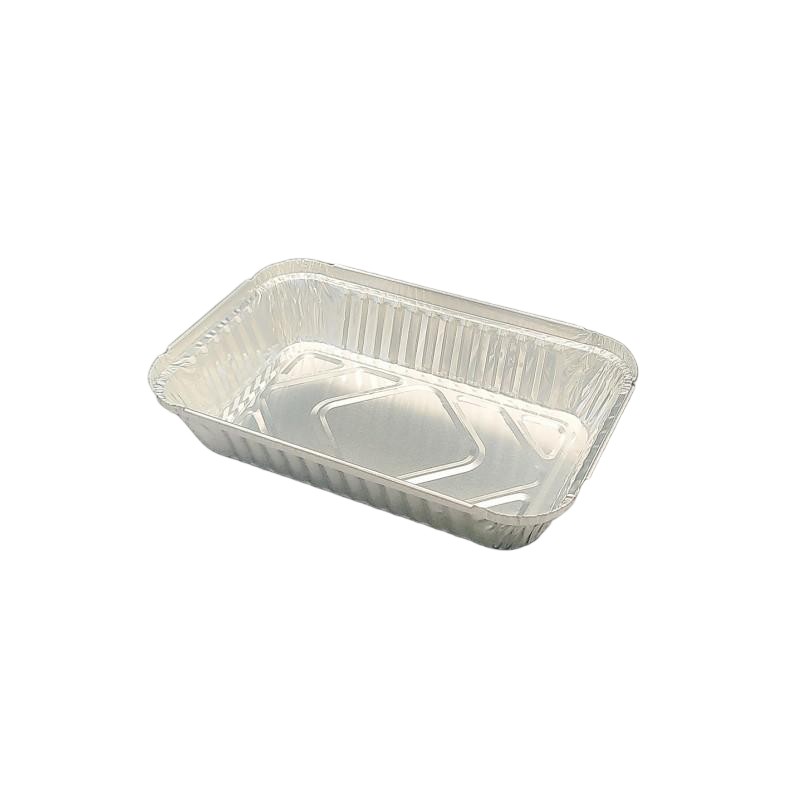
The container base only provides half of the packaging solution. The lid determines heat retention, visibility, and leak resistance. You must select the correct lid material for your specific operational needs. Poly-board lids feature a paperboard top and a reflective foil underside. They reflect heat downward while providing a flat, rigid surface for stacking. PET dome lids offer presentation value but sacrifice structural strength. The plastic can soften if exposed to boiling temperatures. Foil lids offer unmatched temperature control but require precise sealing techniques.
Lid Material | Primary Benefits | Limitations | Best Menu Applications |
|---|---|---|---|
Poly-Board (Foil-Lined Paperboard) | Excellent heat retention, highly rigid for stacking, resists puncturing. | Opaque, prevents visual inspection of the food before opening. | Heavy entrees, casseroles, curries, and stacked delivery orders. |
PET Dome (Clear Plastic) | High visibility, accommodates taller food items above the rim line. | Vulnerable to warping under extreme heat, limits vertical stackability. | Salads, frosted desserts, visually driven dishes with low heat profiles. |
Foil Lids (Flat Aluminum) | Maximum thermal retention, completely oven-safe for reheating. | Requires careful manual crimping, easily dented during handling. | Catering trays, pre-made frozen meals, large batch deliveries. |
Selecting the right Aluminum Foil Container with Lid combination dictates the success of your delivery program. A mismatched lid and base will fail during transit, regardless of how carefully the driver handles the bag.
Liquid-heavy dishes demand a flawless seal. Curries, soups, and heavily sauced items will exploit any weakness in the lid interface. The mechanics of rim crimping determine leak resistance. A vertical flange container requires the operator to fold the aluminum edges down over the lid. This locks the lid against the inner ridge of the container. Manual crimping relies entirely on the operator's technique. Line cooks must apply even pressure across all four sides. Rushed or uneven crimping leaves gaps. Liquids easily escape through these gaps during transit.
Automated or semi-automated crimping machines eliminate this human error. A mechanical press applies uniform pressure around the entire perimeter simultaneously. This creates a hermetic seal. You must evaluate the tolerance of different lid-to-rim interfaces. Poly-board lids compress slightly when crimped. This compression creates a tight gasket-like effect. PET lids do not compress. They require a perfectly matched rim profile to prevent leaks. Transporting high-viscosity liquids like thick gravies is more forgiving. Transporting thin broths requires absolute precision in the crimping process. Utilizing a properly sealed Leak Resistant Aluminum Foil Container prevents spills and protects the integrity of the entire delivery order.
Commercial kitchen space is highly valuable. Packaging storage often consumes excessive shelving. You must assess the storage efficiency of your chosen containers. Foil pans offer superior nesting capabilities. The tapered sidewalls allow hundreds of empty containers to stack tightly together. A single sleeve of foil pans takes up a fraction of the space required by rigid foam or plastic clamshells. Flat-packed poly-board lids also maximize storage density. They stack neatly in compact boxes. This efficient footprint allows restaurants to keep higher inventory levels on hand. It reduces the frequency of deliveries and minimizes the risk of running out of packaging during peak service.
The utility of foil packaging extends far beyond immediate hot delivery. The meal prep sector relies heavily on these containers for cold-chain distribution. You must evaluate the container's performance across extreme temperature shifts. Foil handles the transition from hot prep to blast chillers without warping. It performs exceptionally well in commercial freezers. The material does not become brittle or crack at sub-zero temperatures.
Consumers appreciate the seamless freezer-to-oven capability. They can reheat the meal in the exact same container it arrived in. This eliminates the need to transfer food to separate cookware. It reduces cleanup and improves the user experience. A reliable Disposable Aluminum Foil Container serves as both the delivery vessel and the reheating vessel.
Consumer safety requires clear communication regarding reheating procedures. Foil containers excel in conventional ovens. They conduct heat evenly, ensuring the food reaches safe internal temperatures. However, you must establish strict protocols for consumer instructions. You must mandate the removal of all plastic or paperboard lids before oven heating. Poly-board lids will scorch or catch fire. PET lids will melt into the food. Your packaging should include printed labels or inserts detailing these steps.
Furthermore, you must address the strict limitations regarding microwave use. Aluminum reflects microwaves, causing arcing and potential fires. You must explicitly warn consumers against placing foil containers in the microwave. Clear communication prevents consumer hazards and protects your business from liability. Add a bold warning sticker to the top of every lid destined for meal prep customers.
Packaging must not bottleneck the kitchen line. Time-motion considerations are critical during peak service hours. Line cooks must portion, seal, and bag orders rapidly. The crimping process adds a step to the workflow. You must design a station specifically for packaging. Place lids and containers within easy reach. If using manual crimping, train staff on the most efficient hand movements. Implement the "four-corner first" method to secure the lid quickly.
Place the filled container flat on the stainless steel prep table.
Center the lid over the container, ensuring the foil side faces down toward the food.
Press down firmly on all four corners simultaneously to seat the lid.
Fold the vertical flange over the lid at each corner to lock it in place.
Crimp the straight edges flat against the lid to complete the seal.
If volume dictates, invest in a manual lever press. This tool seals the container in a single motion, shaving seconds off every order. Efficient workflow integration ensures food leaves the kitchen faster and hotter.
Evaluating packaging solely on initial acquisition metrics is a flawed strategy. You must account for delivery failures. Thin, flimsy containers fail under stress. A collapsed container results in a ruined meal. When a meal arrives crushed or leaking, the customer demands a refund. The restaurant loses the ingredients, the labor to cook it, and the delivery commission. Furthermore, the kitchen must often remake the food, disrupting the flow of current orders.
The operational impact of a single delivery failure far exceeds the margins saved on a cheap container. You must compare the performance of premium packaging against the reduction in spoilage and refund rates. High-quality packaging protects your product and preserves your operational flow. It also protects your brand reputation, ensuring customers return for future orders. Track your refund metrics before and after upgrading your packaging to measure the direct impact on waste reduction.
Catering operations require large-format packaging. Half-pan and full-pan sizes accommodate bulk portions. You must evaluate supply chain reliability when sourcing these larger items. Running out of full-size pans right before a major catering event halts production. Standardization reduces inventory complexity. You should cross-utilize specific container sizes across multiple menu items. Instead of stocking ten different pan sizes, identify three versatile options.
Use a standard Catering Aluminum Foil Container for lasagnas, roasted vegetables, and bulk protein orders. This simplifies ordering, reduces storage requirements, and ensures staff always grab the correct lid. Efficient bulk sourcing streamlines your entire catering operation. Train your prep cooks to portion directly into these standardized pans to eliminate secondary transfer steps.
The best container fails if sealed incorrectly. Rushed or uneven lid sealing is the primary cause of leaks. You must mitigate this risk through standardized training. Do not assume new hires know how to crimp a foil pan. Demonstrate the correct technique. Show them how to fold the vertical flange tightly over the lid edge. Require staff to visually inspect the perimeter before bagging the order. Look for gaps or loose sections.
Implement the use of manual crimping tools if hand fatigue becomes an issue during busy shifts. A simple wooden or plastic crimping block helps apply even pressure. Consistent training ensures the packaging performs as engineered. Post a visual guide at the expo station showing a properly crimped container next to an improperly crimped one.
Soggy food generates immediate customer complaints. You must implement strategies for preventing condensation buildup. If you serve fried or breaded items, you cannot use a fully sealed poly-board lid. The trapped steam will destroy the crispy texture within minutes. You must utilize specialized vented lids for high-moisture items.
If vented lids are unavailable, instruct the expo station to strategically pierce the standard lid. Two small holes punched in opposite corners allow steam to escape while retaining the majority of the heat. This simple mitigation strategy preserves food quality during the delivery window. Ensure the piercing tool is sanitized regularly to maintain food safety standards.
Single-use packaging faces increasing regulatory scrutiny. You must navigate local regulations regarding takeout containers. Many municipalities ban expanded polystyrene. Aluminum offers a compliant alternative. It is highly recyclable. However, recycling facilities require the aluminum to be clean. Food residue contaminates the recycling stream.
You must educate your consumers on proper disposal. Include a brief note on your packaging or website. Instruct customers to rinse the foil container before placing it in the recycling bin. Promoting the recyclability of clean aluminum aligns your brand with environmentally conscious practices. It also ensures compliance with evolving waste management regulations.
Request physical samples of varying micron gauges from your supplier to conduct hands-on structural testing.
Execute a 45-minute closed-container transit and stacking test using your heaviest, most liquid-dense menu items.
Standardize your back-of-house crimping procedures and train all line staff on the four-corner sealing method.
Audit your menu to identify items requiring vented lids versus those requiring maximum thermal insulation.
A: Achieving a leak-proof seal requires matching a rigid lid, like poly-board, with a vertical flange rim. You must apply uniform pressure around the entire perimeter to fold the flange tightly over the lid. Using a mechanical crimping press eliminates human error and ensures a hermetic seal for liquid-heavy dishes.
A: Storing highly acidic foods like tomato sauces or citrus marinades in uncoated aluminum overnight risks oxidation. This can cause pitting in the foil and transfer a metallic taste to the food. For prolonged storage or meal prep, use polymer-coated foil containers or transfer the food to inert storage vessels.
A: Preventing soggy food requires balancing heat retention with steam release. Trapped moisture ruins crispy textures. Use specialized vented lids for fried or breaded items. Alternatively, strategically pierce a standard poly-board lid with small holes to allow steam to escape while maintaining acceptable internal holding temperatures.
A: Yes, aluminum foil containers are highly effective and safe for conventional oven reheating. They conduct heat evenly. However, you must strictly remove all plastic PET domes or paperboard lids before placing the container in the oven to prevent melting or fire hazards.
A: Gauge refers to the micron thickness of the foil. A higher gauge provides the structural rigidity needed to prevent the container from buckling or twisting when lifted or stacked. Preventing this structural collapse is critical, as twisting breaks the lid seal and is the primary cause of leaks during transit.