
Menu
Views: 0 Author: Site Editor Publish Time: 2025-12-26 Origin: Site


Grilling can be a fun but tricky experience, especially when things don’t go as planned. BBQ foil containers are essential tools that help make grilling easier and more efficient. These versatile containers excel at managing heat, retaining moisture, and reducing cleanup time.
Yet, many BBQ enthusiasts struggle with common issues like uneven cooking, food falling through the grill, and messy post-cook cleanup. In this article, we will share practical tips on how to prepare, cook, and clean using aluminium foil trays, enhancing your BBQ experience. Whether you're new to BBQing or an expert, these tips will help you get the most out of your BBQ foil containers.
The key to successful grilling starts with choosing the right BBQ foil containers. The right tray can help you achieve consistent results, reduce flare-ups, and avoid food sticking or falling apart. Below are some factors to consider when selecting your foil containers.
Tray Thickness | Best For | Benefits |
Thin | Vegetables, seafood, smaller items | Lighter weight, quicker to heat |
Thick | Meats, large items, heavy cooking | Better heat resistance, sturdier under heavier foods |
Thicker trays are more heat-resistant, making them suitable for meats and larger meals that require consistent heat distribution. They are also sturdier, preventing the tray from bending under heavy loads or spilling juices.Thinner trays are perfect for vegetables or seafood, which don't require as much heat retention. They also offer flexibility and ease of handling.
Tray Depth | Best For | Benefits |
Shallow | Vegetables, seafood, light meats | Better for quick grilling, prevents sogginess |
Deep | Meats, marinated foods, fish | Holds excess juices, prevents spillage |
Shallow trays are great for foods that cook quickly, like vegetables and seafood. These trays allow heat to circulate evenly, giving you better control over the cooking process.
Deep trays are ideal for foods that release juices or require longer cooking times. They can hold marinated meats or large cuts of beef, ensuring the juices stay contained.
Tray Type | Ideal Use | Benefits |
Single-use | One-time BBQs, large gatherings | Convenient, no cleanup |
Reusable | Regular BBQs, eco-conscious cooks | Long-term savings, eco-friendly |
Single-use trays are convenient for large BBQ events or when you need to minimize cleanup. However, they are less sustainable.
Reusable trays are better for frequent grilling and environmentally conscious cooks. They save money over time and reduce waste.
Sturdy BBQ foil containers reduce the risk of food spills and flare-ups, which can occur when food drips directly onto hot coals. Using a strong, durable foil container ensures that heavier or juicier foods stay contained, preventing flare-ups and making grilling safer.
Once your BBQ foil containers are properly prepared, the next step is to use them effectively for cooking. Whether you're grilling vegetables, seafood, or meats, each food type benefits from different techniques. Here are some best practices to ensure you get the most out of your BBQ foil containers.
Vegetables are best cooked when grouped by their cooking times. By placing vegetables of similar size and cooking duration in the same BBQ foil tray, you ensure they cook evenly. Overcrowding the tray can result in uneven cooking, so it's important to space them out appropriately.
Seafood, especially delicate items like fish, can dry out easily when grilled. To prevent this, use foil packets inside your BBQ foil containers. Sealing the seafood in foil locks in moisture, ensuring that your fish stays juicy and flavorful. This technique is particularly effective for grilling shrimp, fish fillets, and even shellfish.
Grilling meats can lead to excess juices and marinades that can cause flare-ups or mess. Deep trays are ideal for containing these liquids, preventing them from spilling over and causing flare-ups. Deep BBQ foil containers help retain these juices, ensuring the meat stays moist and flavorful while grilling.
Aluminium foil conducts heat very efficiently, which means food can cook faster than expected. To prevent overcooking, especially when using BBQ foil containers for meats or vegetables, keep a close eye on the grilling process. You may need to adjust cooking times based on the heat conductivity of the trays.
To save grill space and ensure consistent cooking, group foods with similar cooking times in the same BBQ foil container. This is particularly useful when grilling chicken and vegetables, as they have similar cooking times. This method allows you to cook multiple items at once, making your BBQ more efficient.
Place BBQ foil containers beneath food to catch any drips or juices, which helps reduce flare-ups and keeps the grill clean.
Managing heat flow and moisture within BBQ foil containers leads to more consistent cooking. By controlling these factors, you can achieve more even results, ensuring your BBQ food is cooked to perfection every time.
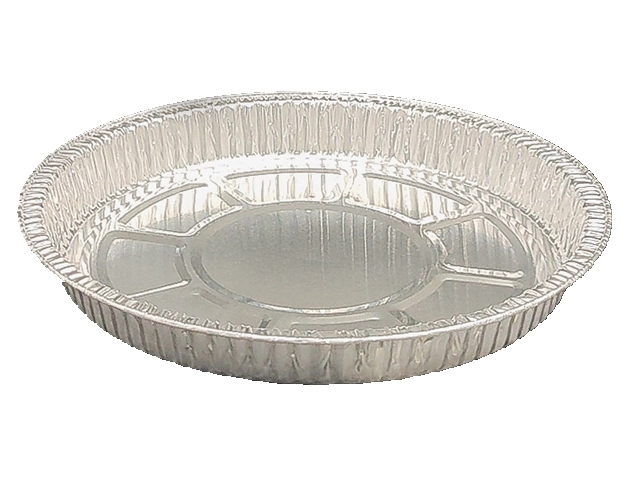
BBQ foil containers not only help with cooking but also play a crucial role in food safety. By monitoring temperatures, you can ensure that your food is both delicious and safe to eat.
Temperature Range | Safe Usage | Best For |
Up to 500°F | High-heat grilling | Meats, veggies |
Above 500°F | Use heavy-duty foil trays for grilling | Large cuts of meat, roasting |
Ensure your trays are heat-resistant and can handle the high temperatures often used in grilling without breaking down or transferring chemicals into the food.
Meat thermometers are essential when cooking with BBQ foil containers to ensure meats are cooked to a safe internal temperature. This helps you avoid undercooking, which could lead to foodborne illnesses.
Acidic foods like tomatoes can react with aluminium foil, creating an off-putting metallic taste. To prevent this, use parchment paper between acidic foods and the foil.
Monitor grill temperature: Ensure trays are stable and positioned away from extreme heat.
Always use a meat thermometer to check for the safe internal temperature of meats, ensuring a safe and enjoyable BBQ experience.
Reusing and recycling BBQ foil containers help reduce waste and contribute to an eco-friendly BBQ experience.
Clean gently: Wash BBQ foil trays with warm, soapy water to remove any residue. Rinse thoroughly and dry completely before reusing to maintain cleanliness and hygiene.
If the trays are damaged or excessively soiled, it’s best to recycle them instead of reusing them.
Reusing BBQ foil containers reduces waste and is a more sustainable approach to grilling. It also saves you money over time.
Clean properly to ensure food safety while reusing trays and recycle when necessary to help minimize environmental impact.
Avoid these common mistakes to improve your grilling results and safety.
Overloading BBQ foil containers can cause them to collapse, spilling food and juices. Always use the appropriate size tray for your food.
Avoid placing BBQ foil containers directly over extreme heat, which can warp the tray or burn your food. Use indirect heat for more even cooking.
Blocked airflow can cause uneven cooking. Leave space around trays for proper air circulation to ensure consistent cooking.
Properly positioning trays and avoiding overloads leads to better cooking results, ensuring your BBQ is both safer and more enjoyable.
Using BBQ foil containers is an effective way to enhance cooking control, reduce mess, and achieve more flavorful BBQ results. By choosing the right trays, preparing them properly, and following best practices, you can elevate your grilling experience. Tianjin Longstar Aluminium Foil Products Co., Ltd. offers high-quality foil products that provide excellent heat conductivity, durability, and eco-friendliness. Their aluminium foil trays are designed to make your BBQ sessions smoother, ensuring consistently great results every time.
A: BBQ foil containers are used for managing heat, retaining moisture, and simplifying cleanup during BBQ cooking.
A: To use aluminium foil trays for BBQ, simply place food inside, ensuring proper positioning and pre-heating for best results.
A: BBQ foil containers are designed to withstand high heat and manage liquids, preventing flare-ups and spills while grilling.
A: Yes, you can clean and reuse BBQ foil containers as long as they are not too damaged or excessively soiled.
A: Yes, BBQ foil containers help protect delicate foods like fish from drying out, creating a more consistent and moist result.
A: BBQ foil containers provide a stable surface for cooking, ensuring that small or delicate food items stay in place while grilling.